BIRD CORP

My Goal

During the first week, I gave a lot of thought into the kind of project I wanted to create, and eventually settled on a main goal. I wanted to create an educational game, but not the kind that screams “this is a lesson”.

To me, a great educational game is one where players have fun, explore, and mess around... gaining knowledge without even realising it. If players leave with slightly more awareness than they started with, I will feel I have achieved something worthwhile.

The Challenge of Educational Games

Many educational games fail because they prioritise didactic content over genuine engagement. As Bogost (2007) argues in Persuasive Games, the most effective way to communicate ideas through games is not through explicit messaging, but through procedural rhetoric — the art of persuasion through game mechanics and rules themselves.

"Rusty machines don't always break down. Sometimes they keep chugging along, spewing out products of ever-diminishing quality."
— Ian Bogost, Persuasive Games: The Expressive Power of Videogames (2007, p. 54)

This quote resonates deeply with my vision for Bird Corp. The “rusty machine” metaphor applies perfectly to how AI systems, despite appearing efficient, may be producing outcomes that gradually degrade environmental and social wellbeing. My game aims to embody this critique not through lectures, but through the player’s own choices and their consequences.

Rather than telling players that AI has environmental costs, I want the game mechanics themselves to reveal this truth organically through gameplay decisions and their rippling effects on the office environment and NPC relationships.

References

Bogost, I. (2007). Persuasive Games: The Expressive Power of Videogames. MIT Press.

Brainstorming Process

Sparking Change Through Play

Climate change is always lingering in the back of my mind. It’s a heavy topic that needs attention, but I want to tackle it in a way that feels approachable rather than overwhelming.

My aim is to draw players in with fun and curiosity, while encouraging reflection on their role in the climate conversation.

How this idea came about: AI & Environmental Concerns

Initially I planned to create a general global warming game, however the growing prevalence of AI in society prompted a pivot. Realising that many peers were unaware of AI’s environmental impact, I believe that integrating these themes could create a fresh and engaging gaming experience.

Training a single large AI model can emit as much carbon as five cars over their entire lifetimes, with the environmental costs of AI often hidden from end users.
— Strubell, E., Ganesh, A. and McCallum, A. (2019). 'Energy and Policy Considerations for Deep Learning in NLP', Proceedings of the 57th Annual Meeting of the ACL

This research crystallised my direction: by embedding AI usage choices within a charming office simulation, I could help players connect abstract environmental costs to tangible, relatable decisions.

References

Strubell, E., Ganesh, A. and McCallum, A. (2019). 'Energy and Policy Considerations for Deep Learning in NLP', Proceedings of the 57th Annual Meeting of the Association for Computational Linguistics, pp. 3645-3650.

My Research Foundation

Theoretical Framework: The Triadic Model

To ensure this project functions as a true Serious Game rather than dry “edutainment,” I am applying the Triadic Game Design Model (Harteveld and Kortmann, 2009).

This framework balances the core design elements, ensuring the experience remains engaging while delivering genuine educational value. The model consists of three essential elements that work together to create meaningful gameplay experiences: Reality, which connects players to real-world contexts; Meaning, which provides genuine learning opportunities; and Play, which ensures the experience remains immersive and enjoyable through engaging characters, storylines, and challenges.

Applying the Triadic Model to Bird Corp

In designing Bird Corp, I have deliberately mapped each element of the triadic model to specific game features:

Triadic Element
Implementation in Bird Corp
Reality
The office setting mirrors real corporate environments; AI tools reflect actual workplace automation trends; environmental costs represent documented concerns about AI energy consumption
Meaning
Players learn about AI's hidden environmental impact through consequences of their choices; NPC relationships shift based on AI usage, teaching about social dynamics
Play
Engaging mini-games, charming pixel art characters, exploration mechanics, and narrative surprises keep players invested

Procedural Rhetoric: Learning Through Mechanics

Building upon the triadic model, I am also incorporating Bogost’s (2007) concept of procedural rhetoric — the idea that games persuade through their rules and systems rather than explicit messaging. As Bogost argues, games are uniquely positioned to make arguments through the processes they model.

In Bird Corp, the core "Manual vs. AI" choice mechanic embodies procedural rhetoric: by making AI the easier option with hidden long-term consequences, the game's rules themselves argue about the seductive danger of convenience over sustainability. Players don't read about this tension — they experience it through gameplay.

Triadic Game Design Diagram

Triadic Game Design

Triadic Model Diagram

The Three Essential Elements

Aesthetic Choice: Why Pixel Art?

My decision in using pixel art goes beyond aesthetics and aligns to Risley et al.'s (2025) research on abstraction and realism in serious games.

A realistic work setting could feel dull or uncomfortably close to real-life work. With pixel art, the abstraction creates a lighter, more playful atmosphere that keeps players engaged while still allowing me to communicate meaningful content.

Narrative Mechanics: Plot Twists

To deepen player engagement, I am incorporating narrative plot twists (López and Julio, 2020). Though typical in screen fiction, this mechanic introduces a critical element of surprise to the gameplay to create a lasting impression.

NPC Interactions: Social Presence Theory

To bring the office to life, I leveraged on NPC dialogues to foster Social Presence. As interactions with conversational characters can heighten psychological involvement, making the virtual space feel genuinely inhabited.

Methodology: Practice as Research

Guided by a Practice as Research methodology, my development is fluid and iterative. This approach views the act of creation as a form of academic inquiry, shifting my workflow from a linear path to an iterative loop. By treating every asset and mechanic as a test case, my final digital artefact emerges from a continuous cycle of experimentation and refinement.


Key Takeaways

Triadic Model Applied: Mapped Reality, Meaning, and Play to specific game features
Procedural Rhetoric: Game mechanics will embody the message, not just dialogue
Pixel Art Choice: Abstraction prevents workplace dullness while maintaining engagement
Theory-to-Practice: Academic frameworks provide concrete design guidance

References

Bogost, I. (2007). Persuasive Games: The Expressive Power of Videogames. MIT Press.

Harteveld, C. and Kortmann, R. (2009). 'Serious Gaming, an Introduction', in Triadic Game Design: Balancing Reality, Meaning and Play. Springer, pp. 3-19.

López, N. and Julio, P. (2020). 'Plot Twists as a Narrative Mechanic in Video Games', Game Studies, 20(1).

Risley, K. et al. (2025). 'Abstraction and Realism in Serious Games: Balancing Engagement and Learning', International Journal of Serious Games, 12(2), pp. 45-62.

Finalised Game Concept- Bird Corp

Game Overview

Players take on the role of a bird intern in an AI corporation and are tasked to manage the office workload by choosing between manual labor (mini-games) or utilising AI for instant completion. The narrative deepens through dialogues with NPCs and explores the experience of a bird's internship.

Game Vision

Bird Corp transcends traditional education by linking narrative impact to gameplay. While the game starts as a cute office simulator, the narrative’s true depth is conditional.

The "surprise factor" is reserved for the curious. As only players who successfully unlocked the sealed basement will uncover the "hidden costs" of AI; otherwise, the office's dark reality remains a secret.

Character, Setting and Style

The game is set in a pixel-art office environment with anthropomorphic birds and meaningful NPCs to balance realism with abstraction.

Its cute aesthetic keeps the experience approachable, making it relatable for players entering or already navigating the corporate world.

Visualisation

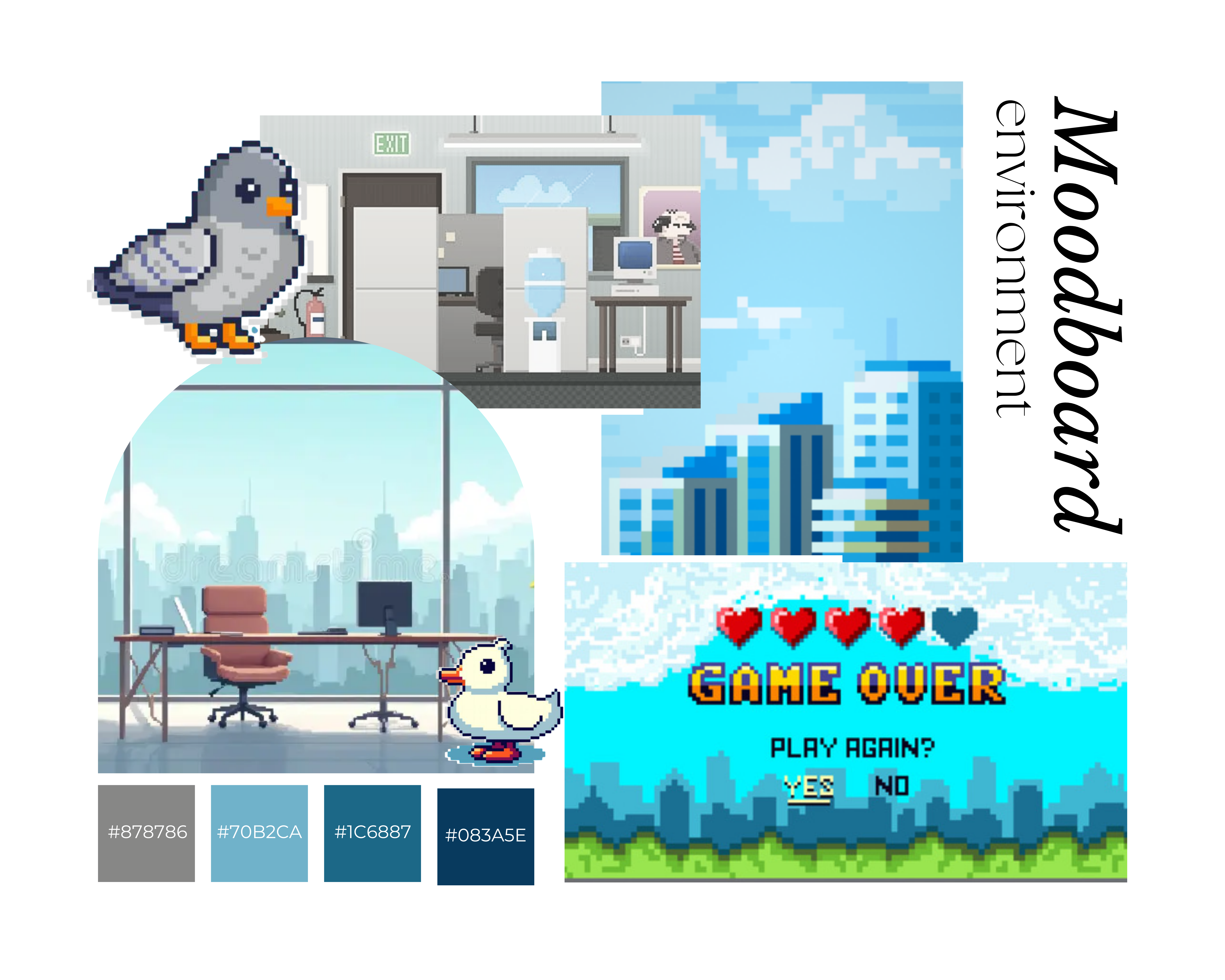
To define the visual direction, I created distinct characters and game environment moodboards which allows me to shape and organise the overall look and feel of my game setting.

Character Moodboard

Character Moodboard

Environment Moodboard

Environment Moodboard

Game Insporation

After trying a game my friend was obsessed with, I realised how much free exploration adds to game immersion. The ability to roam freely between stages made the game feel alive and more interactive. This inspired me to break the rigid structure of Bird Corp, giving players the freedom to explore the office environment freely by themselves.

Dave the Diver

Having played this game before, I really enjoyed the rich narrative structure of the gameplay. The way players has the freedom to investigate objects and converse with NPCs, transformed the story from a linear path into a world of discovery. I aim to implement this mechanic into Bird Corp, using optional interactions to deepen the player's understanding of the storyline.
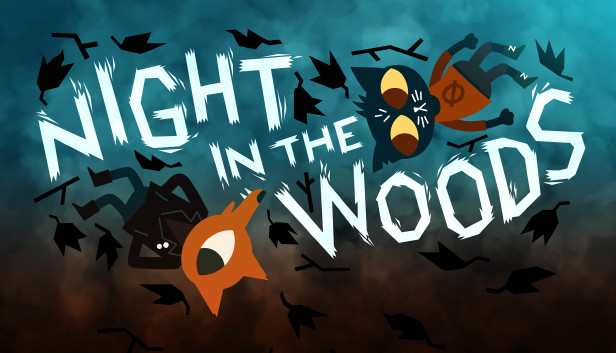
Night in the Woods

A consultation with Professor Conor McKeown truly inspired me to deepen the game's narrative ambition. Instead of a linear path, he challenged me to create a rich, rewarding story which unlocks a deeper narrative context. Additonally, after the conversation, I decided to adopt a 'failing forward' approach, where poor performance does not trigger a fail state. Instead, my game should provides hints and alternative solutions to guide the player, ensuring the story continues to unfold regardless of skill level which makes the game accessible for everyone to pick up and play.
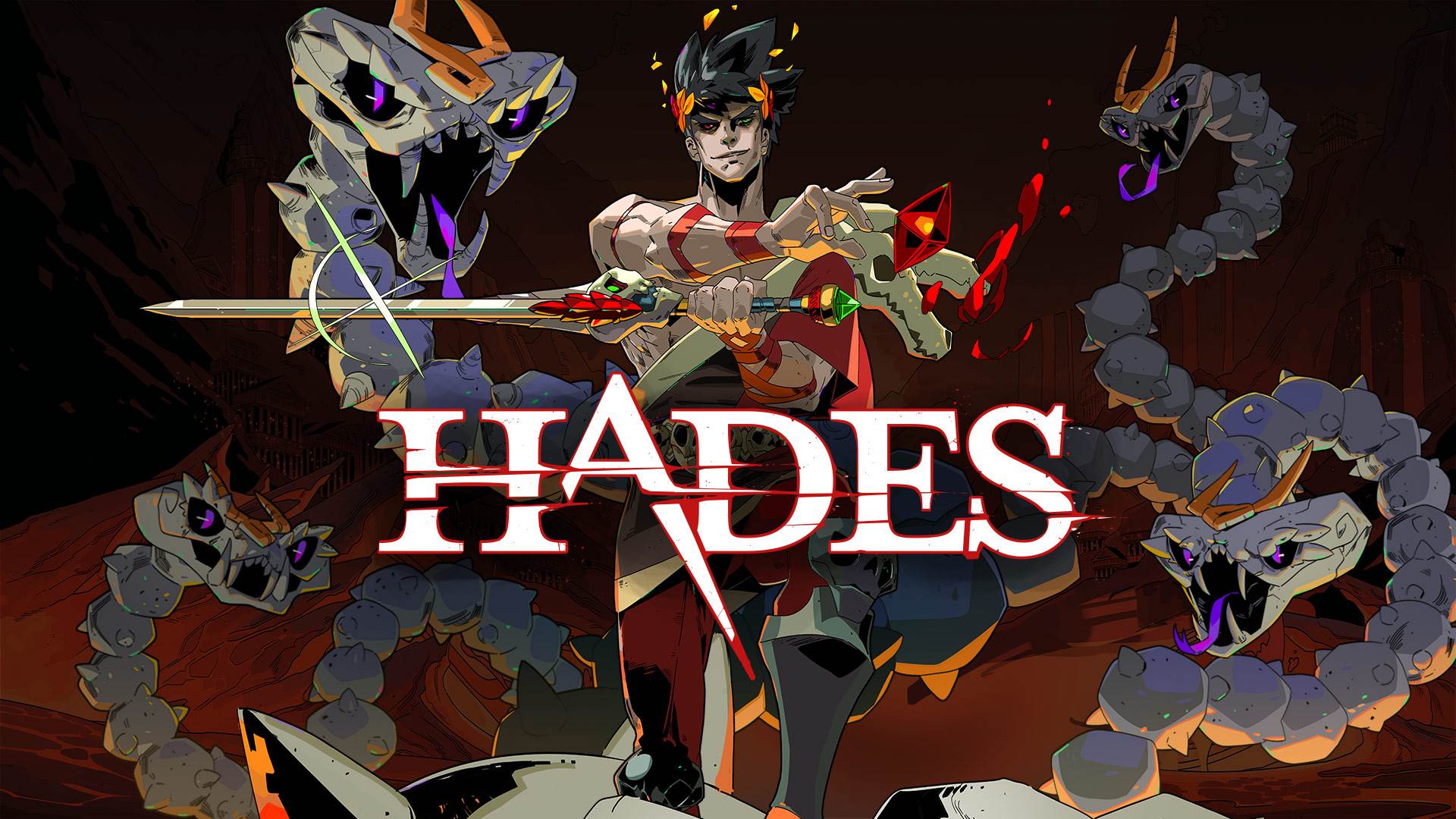
Hades

Key Takeaways

Free Exploration: Inspired by Dave the Diver to allow office roaming
Rich Narrative: Night in the Woods model of optional NPC interactions
Failing Forward: Hades-inspired approach ensures story continues regardless of skill
Design Philosophy: Reward curiosity with deeper narrative context

Selecting a Pixel Art Tool

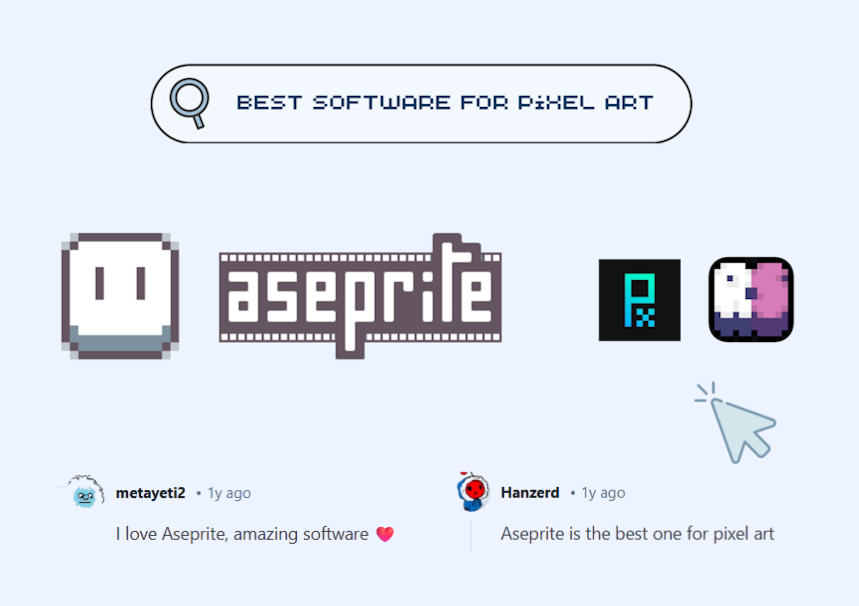
When I started looking into pixel art tools, I wanted to make sure I explored different options before committing to one. After researching online, I kept seeing Aseprite come up in recommendations, and what really drew me to it was how it’s specifically designed for pixel art rather than being a general drawing program. That specialization made it feel like the right choice for what I needed.

Getting it set up was a bit of a learning curve, though. Since Aseprite is only free if you compile it yourself from the GitHub repository, I had to work through an online tutorial to get it installed. It was a bit tedious, but it felt rewarding to figure it out. I also wanted to see what mobile options were available, so I explored apps like Resprite and Pixquare to compare what features they offered and whether working on mobile would better suit my workflow.

Ultimately, I decided that Aseprite would be my main tool for creating pixel art, since it has the most comprehensive features for detailed work. However, I plan to keep the mobile apps as backup options for times when I don’t have access to my laptop. Which is great for sketching ideas or doing quick edits on the go.

Pixel Art Tools

Selecting a Game Engine

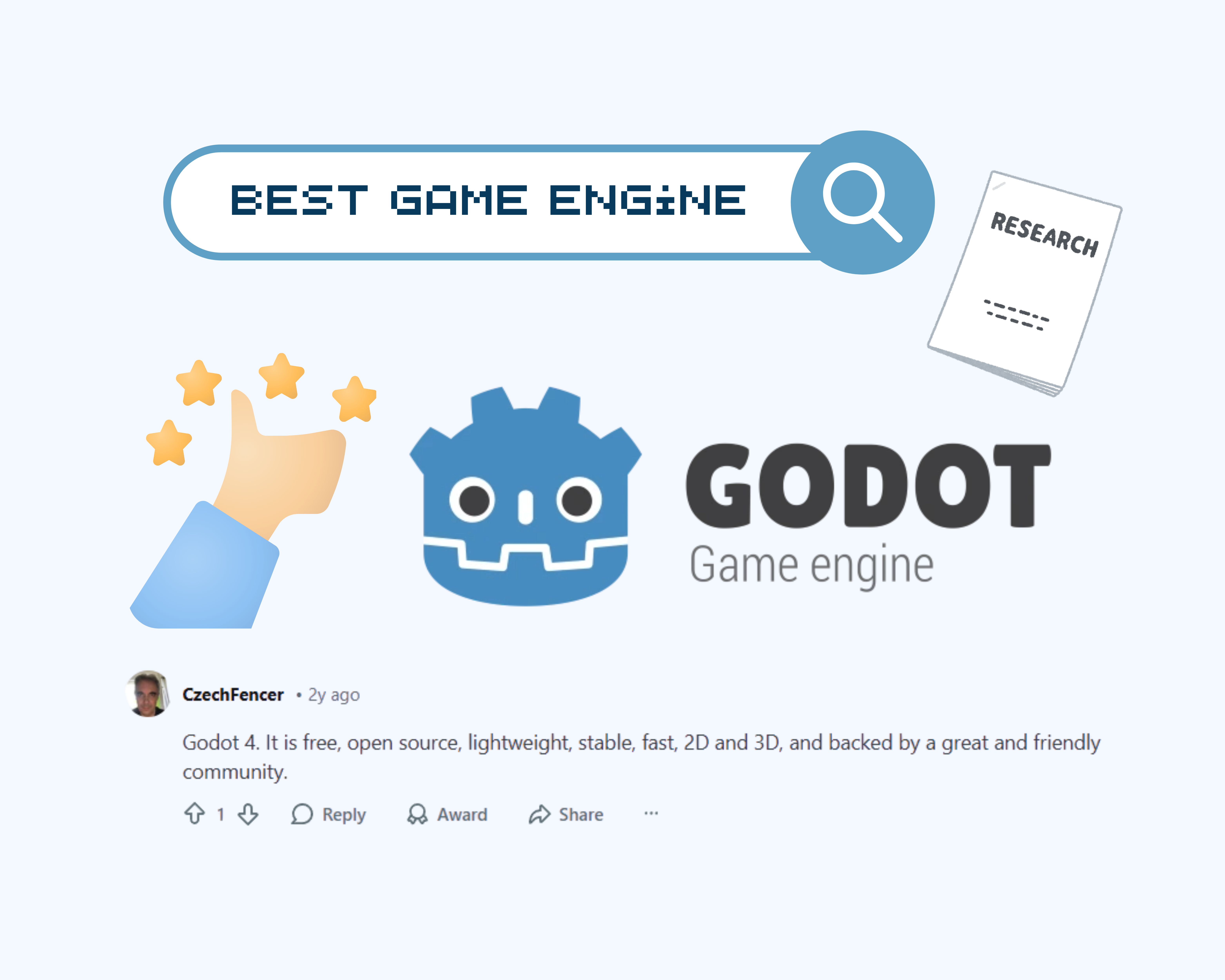
When it came to choosing a game engine, I knew I wanted something free and beginner-friendly. Godot stood out to me because it's completely free and open-source, with a huge community behind it. That community aspect was really important to me as I knew there would be tons of tutorials and resources available online when I needed help. It also seemed well suited for the 2D side-scroller pixel game I wanted to create.

However, partway through development, I hit some roadblocks in Godot and felt genuinely stuck. In a moment of frustration, I decided to try GDevelop, hoping a fresh start with a different engine might help. But after working with it for a bit, I realised GDevelop's process for adding and managing sprites was actually more troublesome than Godot's, which I had found really intuitive. That comparison made me appreciate what I'd already learned in Godot, so I went back to it and focused on working through my original challenges rather than switching tools again.

Godot Game Engine

Godot Game Engine

Game Proposal Submission

Proposal officially submitted! With the heavy lifting of planning and academic research behind me, I can finally transition to the 'hands-on' phase I’ve been waiting for. I am incredibly excited to shift gears from writing to creating, finally drawing out the visualization of Bird Corp that has been living in my mind for weeks. Now, I can begin turning those mental images of bird interns and pixelated office layouts into a tangible, playable reality.